
Warehouse & Logistics Machinery | Material Handling Equipment
-
Anunciante
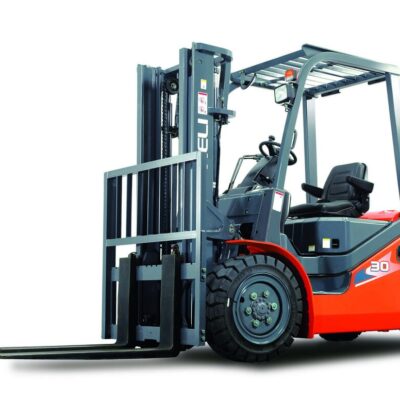
Diesel Forklift HELI CPCD18-XC26H | Used, 1.8 t, 2021
Used HELI CPCD18-XC26H diesel forklift, 1,800 kg capacity, year 2021, reference H4120.
-
Anunciante
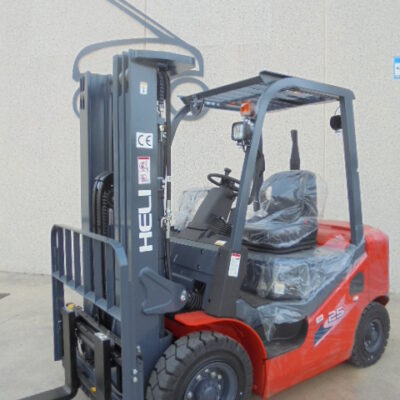
Diesel Forklift HELI CPCD25 | Used, 3.7 m Lift, 2008
Used HELI CPCD25 diesel forklift, Duplex mast, 3,700 mm lift, year 2008, reference D473.
-
Anunciante
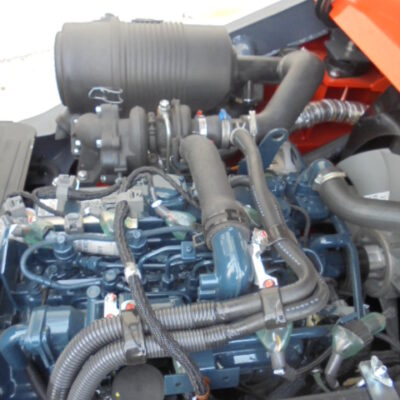
Diesel Forklift HELI CPCD25-KU20H | Used, 2.5 t, 4.7 m Lift, 2024
Used HELI CPCD25-KU20H diesel forklift, 2,500 kg, Triplex mast, 4,700 mm lift, year 2024, ref. H8597.
23.265,00 € -
Anunciante

Diesel Forklift HELI CPCD25-KU20RH | Used, 2.5 t, 2021
Used HELI CPCD25-KU20RH diesel forklift, 2,500 kg capacity, year 2021, reference H3168.
12.425,62 € -
Anunciante
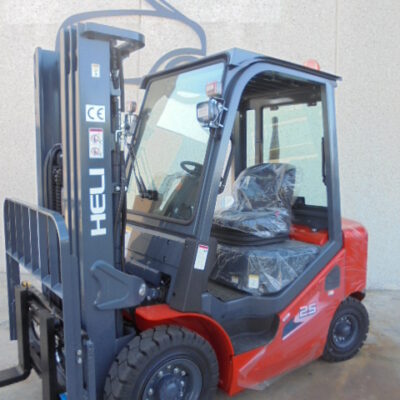
Diesel Forklift HELI CPCD25-WS1H | Used, 2.5 t, 2019
Used HELI CPCD25-WS1H diesel forklift, 2,500 kg capacity, 1 h, year 2019, reference H1525.
12.028,00 € -
Anunciante
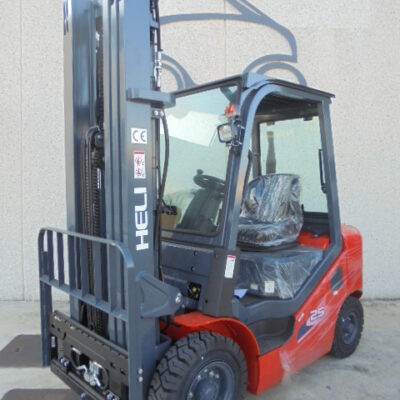
Diesel Forklift HELI CPCD25-WS1H | Used, 2.5 t, 2020
Used HELI CPCD25-WS1H diesel forklift, 2,500 kg capacity, year 2020, reference H2180.
12.028,00 € -
Anunciante

Diesel Forklift HELI CPCD25-XC26H | Used, 2.5 t, 4.7 m Lift, 2023
Used HELI CPCD25-XC26H diesel forklift, 2,500 kg, Triplex mast, 4,700 mm lift, year 2023, ref. H8285.
23.265,00 € -
Anunciante

Diesel Forklift HELI CPCD85 | Used, 8.5 t, 3 m Lift, 2020
Used HELI CPCD85 diesel forklift, 8,500 kg, Duplex G.E.L. mast, 3,000 mm lift, year 2020, ref. H2189.
10.966,61 € -
Anunciante
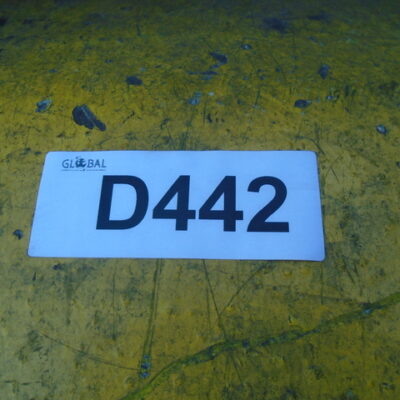
Diesel Forklift KOMATSU FD45T-7 | Used, 4.5 t, 12,260 h, 2004
Used KOMATSU FD45T-7 diesel forklift, 4,500 kg capacity, 12,260 h, year 2004, reference D442.
-
Anunciante

Diesel Forklift LINDE H15D | Used, 1.5 t, 882 h, 1998
Used LINDE H15D diesel forklift, 1,500 kg capacity, 882 h, year 1998, reference D478.
4.656,00 € -
Anunciante

Diesel Forklift LINDE H16D | Used, 1.6 t, 1999
Used LINDE H16D diesel forklift, 1,600 kg capacity, year 1999, reference D487.
4.850,00 € -
Anunciante

Diesel Forklift LINDE H16D-03 | Used, 1.6 t, 8,931 h, 2001
Used LINDE H16D-03 diesel forklift, 1,600 kg capacity, 8,931 h, year 2001, reference D490.
3.911,04 €
Explore warehouse machinery, logistics equipment and material handling machines for warehouses, factories, distribution centres, workshops and professional logistics operations. Makitor allows buyers to compare new and used equipment by load capacity, lifting height, power source, dimensions, condition and price.
Choosing the correct warehouse machine depends on the loads to be handled, available aisle width, lifting height, floor conditions and working intensity. The right equipment can improve material movement, storage operations and loading efficiency.
Warehouse machinery
Warehouse machinery includes equipment designed to move, lift, stack, transport and handle goods inside warehouses and industrial facilities.
Typical equipment can include:
Forklifts.
Electric pallet trucks.
Manual pallet trucks.
Stackers.
Reach trucks.
Order pickers.
Warehouse tractors.
Material handling equipment.
Loading equipment.
Material handling equipment
Material handling equipment is used to move goods between storage, production, loading and dispatch areas.
Before buying, compare:
Maximum load capacity.
Lifting height.
Fork dimensions.
Machine width.
Turning radius.
Power source.
Battery autonomy.
Operating weight.
Forklifts
Forklifts are among the most common machines used for handling palletised loads.
Different configurations are available depending on the application, including:
Electric forklifts.
Diesel forklifts.
LPG forklifts.
Compact forklifts.
Heavy-duty forklifts.
Forklift capacity
The rated capacity indicates the maximum load the machine can lift under specified conditions.
Actual capacity can change depending on:
Load centre.
Lifting height.
Mast configuration.
Attachments.
Load dimensions.
Lift height
Maximum lifting height is especially important in warehouses using high racking systems.
When comparing machines, consider both maximum mast height and the height required to reach your highest storage level.
Forklift mast
Forklift masts are available in different configurations.
Depending on the machine, these may include:
Simplex mast.
Duplex mast.
Triplex mast.
Free-lift configurations.
Electric forklifts
Electric forklifts are commonly used indoors because they can provide quiet operation and no direct exhaust emissions during use.
Important factors include:
Battery capacity.
Battery type.
Charger.
Load capacity.
Mast height.
Operating hours.
Forklift batteries
Battery condition can strongly affect the value of a used electric forklift.
Before buying, check:
Battery age.
Capacity.
Charging cycles.
Operating autonomy.
Charger compatibility.
Lithium battery forklifts
Some modern warehouse machines use lithium battery technology.
Depending on the system, this may allow faster charging or different maintenance requirements compared with traditional traction batteries.
Diesel forklifts
Diesel forklifts are commonly used in outdoor or industrial applications where higher power and intensive operation are required.
When evaluating a used diesel machine, inspect:
Engine.
Transmission.
Hydraulics.
Mast.
Tyres.
Operating hours.
LPG forklifts
LPG-powered forklifts can be used in certain indoor and outdoor applications depending on site requirements and ventilation conditions.
Check fuel system condition and maintenance history before purchase.
Pallet trucks
Pallet trucks are designed for moving palletised loads over relatively short distances.
They can be:
Manual.
Semi-electric.
Fully electric.
Manual pallet trucks
Manual pallet trucks provide a simple solution for moving pallets on suitable flat floors.
Important specifications include:
Load capacity.
Fork length.
Fork width.
Minimum fork height.
Wheel type.
Electric pallet trucks
Electric pallet trucks reduce the physical effort required to move loads and can improve productivity in frequent transport operations.
Compare:
Load capacity.
Battery autonomy.
Travel speed.
Fork dimensions.
Machine weight.
Pedestrian pallet trucks
Pedestrian models are controlled by an operator walking behind or alongside the machine.
They can be particularly useful in smaller warehouses and loading areas.
Ride-on pallet trucks
Ride-on or platform pallet trucks can be more suitable for longer internal transport distances.
Check travel speed, braking, platform condition and battery autonomy.
Warehouse stackers
Stackers combine pallet transport with vertical lifting capability.
They can be useful for low and medium-height storage operations depending on model capacity.
Compare:
Load capacity.
Maximum lift height.
Mast type.
Fork dimensions.
Battery.
Machine width.
Electric stackers
Electric stackers can provide powered lifting and travel for professional warehouse operations.
On used machines, check mast rollers, chains, hydraulics and battery condition.
Reach trucks
Reach trucks are designed for warehouse operations where high lifting capacity and relatively narrow aisles are important.
Before buying, consider:
Maximum lift height.
Residual capacity.
Aisle requirements.
Mast condition.
Battery condition.
Operator cabin.
High-bay warehouse equipment
High-rack warehouses require equipment capable of reaching greater heights while maintaining suitable load capacity and stability.
Always verify residual capacity at the required lift height.
Order pickers
Order picking machines help operators collect products from warehouse storage locations.
Different models are available for low, medium and higher picking levels.
Low-level order pickers
Low-level machines are generally designed for picking products from lower storage locations while travelling through warehouse aisles.
High-level order pickers
Higher-level order pickers allow the operator platform to rise to access elevated storage locations.
Safety systems and platform condition should be carefully inspected on used equipment.
Narrow aisle warehouse machinery
Warehouse layout has a major influence on the type of machine that can be used.
For narrow aisles, check:
Overall machine width.
Turning radius.
Aisle requirement.
Mast dimensions.
Load dimensions.
Warehouse tractors and tow tractors
Tow tractors can move carts, trailers or material trains through factories, airports, warehouses and industrial facilities.
Compare towing capacity, battery autonomy, dimensions and compatible couplings.
Loading and unloading equipment
Warehouse logistics can also require equipment for loading and unloading goods from trucks and trailers.
Machine selection depends on:
Load type.
Pallet dimensions.
Dock configuration.
Available space.
Required throughput.
Warehouse equipment for logistics centres
Distribution centres often require several types of machines working together.
A typical operation may use:
Forklifts.
Pallet trucks.
Reach trucks.
Stackers.
Order pickers.
Conveying equipment.
Warehouse machinery for factories
Industrial plants may require machines for moving raw materials, finished products, pallets and production supplies.
The correct equipment depends on load weight, travel distance and interaction with production areas.
Tyres
Warehouse machines can use different tyre types depending on application.
Before buying used equipment, inspect:
Wear.
Cracks.
Flat spots.
Damage.
Correct dimensions.
Forks
Fork condition is critical for safe load handling.
Inspect:
Wear.
Cracks.
Bending.
Locking mechanisms.
Fork heel condition.
Hydraulic system
Forklifts and stackers depend heavily on hydraulic systems for lifting and mast functions.
Check:
Cylinders.
Hoses.
Pumps.
Valves.
Leaks.
Mast chains
Mast chains should be inspected for wear, corrosion, lubrication and correct tension.
They are critical lifting components and should be maintained according to manufacturer requirements.
Steering system
Warehouse machines often operate in confined spaces, so steering condition is especially important.
Test for excessive play, unusual noise and smooth operation.
Braking system
Brakes should operate predictably and hold the machine securely where required.
Test service and parking brakes during inspection.
Operator compartment
For machines used intensively, operator ergonomics can affect productivity and comfort.
Check:
Seat.
Controls.
Pedals.
Visibility.
Display.
Safety systems.
Operating hours
Operating hours provide an indication of previous use but should not be considered alone.
Also evaluate:
Maintenance history.
Working environment.
Battery condition.
Mast wear.
Tyres.
Hydraulic condition.
New warehouse machinery
New machinery has no previous operational wear on batteries, motors, hydraulic systems, masts or wheels.
Warranty availability depends on manufacturer or seller conditions.
Used warehouse machinery
Buying used warehouse machinery can reduce initial investment significantly.
However, inspection is particularly important because batteries, tyres and lifting components can represent major replacement costs.
What to inspect on used warehouse equipment
Check:
Mast.
Forks.
Chains.
Hydraulics.
Battery or engine.
Transmission.
Tyres.
Steering.
Brakes.
Controls.
Testing used machinery
Whenever possible, test the machine before purchase.
Verify:
Forward and reverse travel.
Steering.
Braking.
Mast lifting.
Mast tilt.
Hydraulic functions.
Warning systems.
Maintenance history
Maintenance documentation can help evaluate the condition of used equipment.
Review records relating to:
Battery replacement.
Hydraulic servicing.
Mast maintenance.
Engine servicing.
Tyre replacement.
Electrical repairs.
Spare parts
Before purchasing older machinery, verify the availability of:
Hydraulic parts.
Chains.
Forks.
Electronic components.
Motors.
Battery components.
Wheels.
Warehouse machinery prices
The price of warehouse machinery depends on:
Machine type.
Load capacity.
Lift height.
Power source.
Manufacturer.
Model.
Year.
Operating hours.
Condition.
Total cost of ownership
In addition to purchase price, consider:
Battery replacement.
Tyres.
Maintenance.
Transport.
Charging equipment.
Spare parts.
How to choose warehouse machinery
Before buying, define:
Load weight.
Maximum lift height.
Aisle width.
Travel distance.
Indoor or outdoor operation.
Working hours per day.
Power source.
Budget.
Buy warehouse machinery on Makitor
On Makitor you can compare new and used warehouse machinery, logistics equipment and material handling machines using the technical information available in each listing.
Compare capacity, lift height, power source, dimensions, operating hours, condition, location and price before selecting equipment.
View warehouse and logistics machinery →
Frequently asked questions
What machinery is used in a warehouse?
Common equipment includes forklifts, pallet trucks, stackers, reach trucks and order pickers.
What forklift capacity do I need?
It depends on load weight, load centre, lifting height and any attachments fitted to the machine.
What should I inspect on a used forklift?
Inspect forks, mast, chains, hydraulics, tyres, brakes, steering and either battery condition or engine condition depending on the machine.
Electric or diesel forklift?
The correct choice depends on operating environment, working intensity, required capacity, charging facilities and application.
What determines warehouse machine price?
Machine type, capacity, lifting height, power source, manufacturer, year, operating hours and condition are major factors.