

Cattle Handling Crushes | Manual & Squeeze Cattle Crushes
-
Anunciante
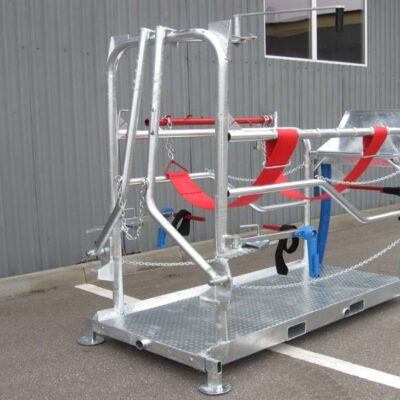
Cattle handling crush Zakłady Metalowe KPB-1 2 manual winches
Hot-dip galvanized manual cattle handling crush with two winches, designed for safe restraint and professional livestock handling. Made to order; estimated lead time 5–8 weeks.
4.720,00 €
Explore cattle handling crushes for farms, livestock operations, veterinary work and professional cattle management. Compare manual cattle crushes, squeeze crushes and other handling systems according to frame design, access, locking mechanisms, dimensions, condition and price.
A suitable cattle crush helps restrain an animal in a controlled position during inspection, treatment and routine livestock handling. The correct model depends on cattle size, number of animals, frequency of use and the operations that need to be performed.
Cattle handling crushes
Cattle handling crushes are designed to restrain cattle while allowing the operator controlled access to the animal.
Depending on the model, a cattle crush can include:
Head gate.
Side gates.
Rear gate.
Squeeze mechanism.
Access panels.
Anti-kick systems.
Floor structure.
Locking mechanisms.
Manual cattle crushes
A manual cattle crush uses mechanical controls rather than powered hydraulic or electric systems for most restraint functions.
Manual models can be suitable for farms requiring a robust and relatively simple handling system.
Important features include:
Ease of operation.
Head gate design.
Side access.
Rear gate.
Frame strength.
Locking mechanisms.
Manual squeeze cattle crushes
A manual squeeze cattle crush allows the sides of the crush to apply controlled restraint around the animal.
This type of system can improve control of animals of different sizes while maintaining access for the operator.
Before buying, compare:
Squeeze adjustment range.
Operating mechanism.
Side panel movement.
Frame construction.
Locking system.
Cattle squeeze crushes
Squeeze crushes are designed to reduce the free movement of the animal inside the frame.
The system should operate smoothly and allow appropriate adjustment according to cattle size.
On a used crush, inspect:
Pivot points.
Levers.
Linkages.
Chains.
Locks.
Frame condition.
Cattle crush for farms
A cattle crush for farm use should be selected according to the scale and type of livestock operation.
Consider:
Number of cattle.
Average animal size.
Frequency of handling.
Available handling area.
Required access to the animal.
Mobility requirements.
Cattle crush suppliers
When comparing cattle crush suppliers or available machines, focus on the technical configuration rather than only the purchase price.
Compare:
Frame dimensions.
Material thickness.
Head gate design.
Squeeze system.
Access gates.
Spare parts availability.
Condition.
Cattle crush manufacturers
Different manufacturers use different designs for gates, locking mechanisms and restraint systems.
Before choosing a model, check whether replacement components are available for:
Locks.
Handles.
Pivots.
Chains.
Gates.
Panels.
Head gates
The head gate is one of the most important components of a cattle crush.
It allows the operator to restrain the animal at the front of the system.
Common considerations include:
Opening width.
Adjustment range.
Locking mechanism.
Release mechanism.
Mechanical condition.
Self-catching head gates
Some systems use self-catching or automatic-style head gates designed to close when the animal moves forward.
When inspecting a used system, verify that the gate opens and closes smoothly and releases correctly.
Manual head gates
Manual head gates are operated directly by the handler using a lever or mechanical mechanism.
Check:
Lever condition.
Pivots.
Locking teeth.
Movement.
Wear.
Rear gates
The rear gate prevents the animal from backing out of the crush.
Depending on design, it can use:
Sliding systems.
Swinging gates.
Ratchet-style mechanisms.
Other mechanical locking systems.
Side access gates
Side gates allow access to different parts of the animal while it is restrained.
They may be useful for:
Inspection.
Veterinary procedures.
Identification.
Routine livestock management.
Split side gates
Some cattle crushes use several smaller side panels instead of one large gate.
This can allow more targeted access while maintaining restraint.
Lower access panels
Lower panels can provide access to the legs and lower body depending on the crush configuration.
Inspect hinges, locks and frame connections carefully on used equipment.
Anti-kick systems
Some cattle handling systems incorporate bars or other features designed to reduce uncontrolled movement of the animal’s rear legs.
Any restraint component should operate correctly and remain structurally sound.
Cattle crush frame
The frame must withstand significant forces during livestock handling.
When inspecting a used crush, check:
Cracks.
Deformation.
Corrosion.
Damaged welds.
Previous repairs.
Loose structural connections.
Galvanised cattle crushes
Some cattle crushes use galvanised steel components to improve corrosion resistance.
Even galvanised structures should be inspected for:
Damaged coatings.
Corrosion.
Weld repairs.
Structural wear.
Painted steel cattle crushes
Painted steel structures can also provide durable livestock handling equipment when properly maintained.
Areas where paint has failed should be inspected for underlying corrosion.
Cattle crush dimensions
Dimensions are important because the crush must accommodate the cattle being handled while fitting into the existing handling system.
Check:
Internal width.
External width.
Overall length.
Overall height.
Gate opening dimensions.
Adjustable cattle crushes
Adjustment can allow one crush to handle animals of different sizes.
Depending on the design, adjustable elements can include:
Side width.
Head gate opening.
Neck restraint.
Rear gate position.
Cattle crush floor
The floor should provide a suitable surface for the animal while remaining structurally strong.
Inspect:
Wear.
Corrosion.
Loose sections.
Damage.
Surface condition.
Non-slip flooring
Some systems incorporate textured or anti-slip flooring intended to improve footing.
The floor should be kept clean and free from excessive damage.
Portable cattle crushes
A portable cattle crush can be useful when the equipment must be moved between different locations.
Compare:
Total weight.
Transport dimensions.
Wheel system.
Drawbar.
Stabilising legs.
Setup requirements.
Stationary cattle crushes
Stationary crushes are generally installed as part of a permanent cattle handling facility.
The site should provide:
Suitable approach race.
Safe operator access.
Exit area.
Stable floor.
Adequate working space.
Cattle handling races
A cattle crush is often installed at the end of a handling race that guides animals toward the restraint area.
The complete handling layout can influence how effectively cattle move through the system.
Access around the crush
Operators should have sufficient space around the equipment to use gates, controls and access panels.
Consider:
Side access.
Front access.
Working space.
Clearance for gates.
Emergency exit routes.
Cattle handling equipment
A crush can form part of a larger livestock handling system.
Additional equipment may include:
Handling races.
Sorting gates.
Holding pens.
Weighing systems.
Loading ramps.
Cattle crush with weighing system
Some cattle handling installations can be combined with weighing equipment.
Before purchasing, verify compatibility between the crush structure and the weighing system.
Load cells and weighing equipment
If weighing equipment is included, inspect:
Load cells.
Cables.
Display.
Power supply.
Calibration.
Veterinary cattle crushes
Cattle crushes can provide controlled access for veterinary examination and routine livestock procedures.
The required configuration depends on the type of work being carried out.
Cattle crush for routine handling
For frequent handling, ease of operation and rapid animal flow can be especially important.
Consider:
Gate operating speed.
Number of controls.
Operator position.
Animal access.
Cleaning requirements.
Cattle crush for large herds
Larger livestock operations may prioritise speed, durability and ease of repeated operation.
Robust construction and accessible wear parts become particularly important when equipment is used frequently.
Cattle crush for smaller farms
Smaller farms may prefer a simpler manual system if livestock handling requirements are relatively limited.
The important factor is matching the equipment to actual usage rather than selecting a larger or more complex system than necessary.
New cattle crushes
New livestock handling equipment has no previous mechanical wear and may provide current designs and manufacturer support.
Warranty conditions depend on the manufacturer or seller.
Used cattle crushes
Buying a used cattle crush can reduce initial investment.
Before purchase, inspect all structural and moving components carefully.
What to inspect on a used cattle crush
Check:
Frame.
Head gate.
Rear gate.
Side gates.
Squeeze mechanism.
Locks.
Hinges.
Floor.
Corrosion.
Check the squeeze mechanism
Operate the squeeze system through its complete range of movement.
Check for:
Sticking.
Excessive play.
Damaged linkages.
Worn pivots.
Damaged locking mechanisms.
Check all gates
Each gate should open, close and lock correctly.
Inspect hinges and pivot points for wear and deformation.
Check structural welds
Inspect original and repaired welds carefully.
Look for:
Cracks.
Incomplete repairs.
Distortion.
Corrosion around welds.
Maintenance
Regular maintenance can include:
Lubricating pivot points.
Checking locks.
Tightening fasteners.
Inspecting gates.
Cleaning the floor.
Checking structural corrosion.
Spare parts
Before purchasing an older cattle crush, check the availability of replacement components such as:
Latches.
Handles.
Hinges.
Chains.
Gate components.
Pivot pins.
Cattle crush prices
The price of a cattle crush depends on several factors:
Manual or powered operation.
Squeeze system.
Frame construction.
Number of access gates.
Mobility.
Manufacturer.
Age.
Condition.
How to choose a cattle crush
Before purchasing, define:
Cattle size.
Number of animals.
Frequency of use.
Manual or powered operation.
Required access points.
Portable or stationary installation.
Available space.
Budget.
Buy cattle handling crushes on Makitor
On Makitor you can compare manual cattle crushes, squeeze cattle crushes and livestock handling equipment according to the technical information available in each listing.
Compare construction, restraint system, dimensions, equipment, condition, location and price before selecting the most suitable system for your farm.
View cattle handling crushes →
Frequently asked questions
What is a cattle crush?
A cattle crush is a livestock handling structure used to restrain cattle in a controlled position during inspection, treatment and routine management.
What is a manual squeeze cattle crush?
It is a crush where the restraint sides are adjusted using mechanical controls rather than powered hydraulics.
What should I check on a used cattle crush?
Inspect the frame, head gate, squeeze mechanism, rear and side gates, locking systems, floor and structural welds.
What affects cattle crush price?
Construction, restraint system, access gates, mobility, manufacturer, age and condition are among the main factors.